








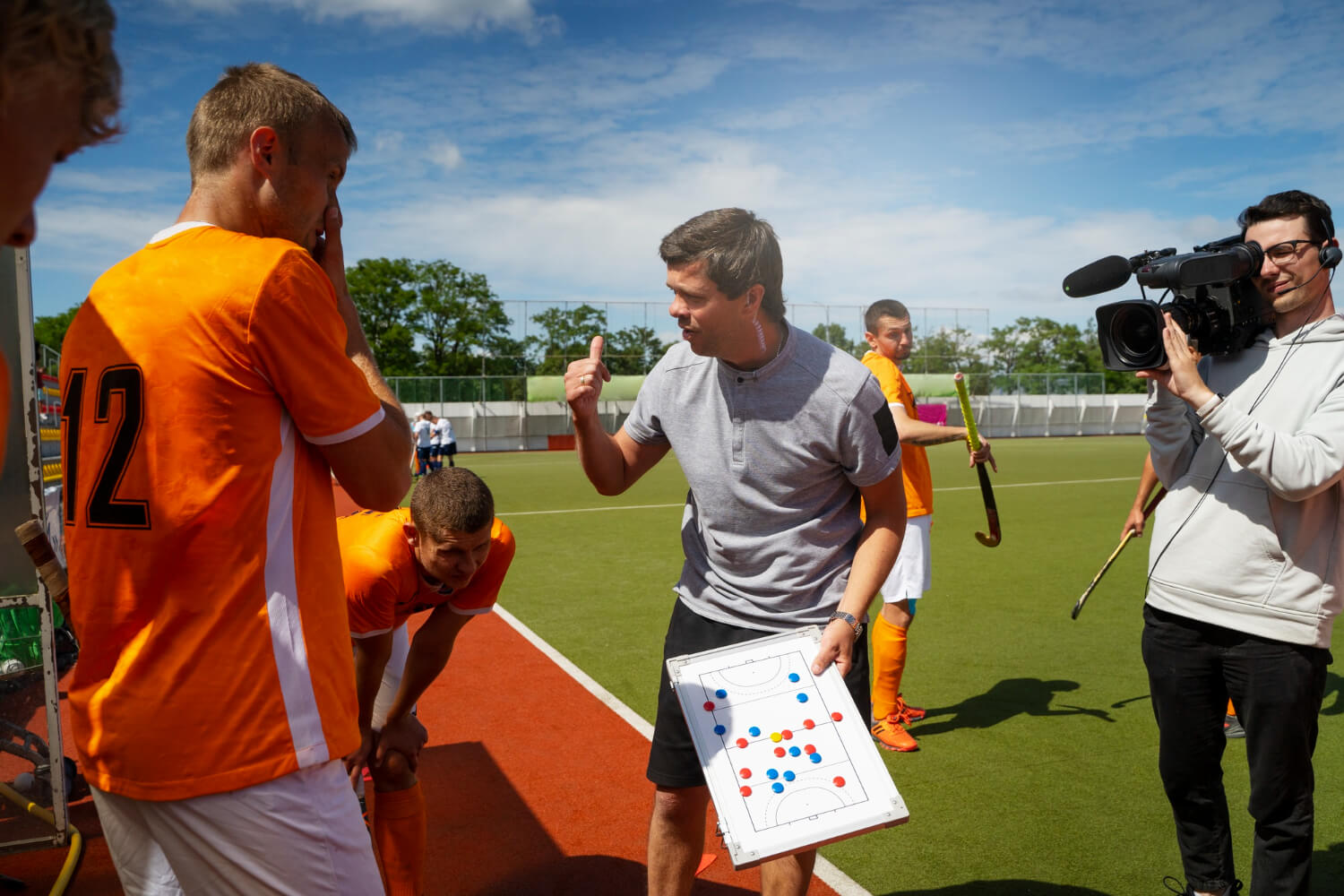
The world of sports coaching and performance development has never been more sophisticated. Advances in sports science, recovery, biomechanics, psychology, leadership, and athlete development have transformed coaching into one of the most evidence-driven professions in modern society. Today’s top coaches are not only responsible for producing results on the field but also for developing resilient athletes, building high-performance cultures, and sharing knowledge that influences practitioners worldwide.
Between March 2025 and March 2026, a select group of coaches, sports psychologists, strength specialists, researchers, and performance educators stood out for their impact on the profession. Through championship success, groundbreaking methodologies, educational content, public speaking, research, and digital platforms, these leaders helped shape how athletes and coaches approach performance at every level.
1. Nick Saban
Widely regarded as the greatest college football coach of all time, Nick Saban built a legacy that extends far beyond wins and championships. His seven national titles established a benchmark for sustained excellence, while his philosophy known as “The Process” became one of the most studied leadership frameworks in sport.
Although he stepped away from coaching in 2024, Saban remained highly influential throughout 2025 and 2026 through speaking engagements, media appearances, and leadership discussions. His methods continue to shape coaches across multiple sports, while countless NFL coaches and executives trace their professional development to his programs. His impact on culture building, accountability, and organizational excellence remains unmatched in modern American sport.
2. Dawn Staley
Dawn Staley continues to redefine excellence in women’s basketball. As the architect of South Carolina’s dominant program and the leader of Team USA’s Olympic success, she has established herself as one of the most accomplished coaches in any sport.
Her influence extends beyond tactics and championships. Staley is recognized for creating inclusive, empowering team cultures while consistently developing elite athletes. Through books, interviews, social media, and leadership presentations, she has become a leading voice on coaching, equity, mentorship, and athlete development.
3. Laird Hamilton
Laird Hamilton’s influence reaches far beyond surfing. As a pioneer of tow-in surfing and hydrofoil surfing, he changed what athletes believed was physically possible in ocean sports.
His XPT methodology, developed with Gabrielle Reece, combines breathing techniques, cold exposure, heat adaptation, and resilience training. Over the past year, these methods have gained increasing adoption among professional sports organizations, military units, and performance professionals. Hamilton’s work has helped expand the conversation around recovery, adaptation, and human durability.
4. Patrick Mouratoglou
Patrick Mouratoglou remains one of the most recognizable coaching figures in global tennis. Best known for guiding Serena Williams through one of the most successful stretches in tennis history, he has also built a world-renowned academy that continues to produce elite players.
His willingness to publicly explain coaching methods and athlete development strategies has made him a valuable educator for coaches worldwide. Through media appearances, social content, and training programs, Mouratoglou continues to influence how tennis talent is identified, developed, and managed.
5. Pete Carroll
Pete Carroll has long been recognized as one of the most positive and athlete-centered leaders in professional sports. His “Win Forever” philosophy emphasizes personal growth, competition, purpose, and psychological safety.
Following his NFL coaching career, Carroll remained active as a speaker and advisor, sharing lessons on leadership, team culture, and high-performance environments. His work continues to resonate across sports, business, and education because of its focus on human development alongside competitive success.
6. Doc Rivers
With decades of experience leading NBA teams, Doc Rivers remains one of basketball’s most respected coaching voices. His career combines championship success, longevity, and a reputation for managing complex personalities and high-pressure situations.
Throughout 2025 and 2026, Rivers continued contributing to conversations around leadership, resilience, communication, and team building. His perspective carries weight because it is grounded in decades of practical experience at the highest level of professional sport.
7. Brad Stevens
Brad Stevens has successfully transitioned from elite coaching to front-office leadership, helping guide the Boston Celtics to championship success. Known for his analytical thinking and emotional intelligence, Stevens is often cited as a model for modern sports leadership.
His approach to roster construction, organizational alignment, and long-term culture building has become a case study for teams across professional sports seeking sustainable success.
8. Anson Dorrance
Few coaches have influenced a sport as profoundly as Anson Dorrance has influenced women’s soccer. His remarkable success at the University of North Carolina helped shape generations of elite players and contributed significantly to the rise of women’s soccer globally.
Dorrance’s emphasis on competitiveness, personal growth, and character development continues to inspire coaches across sports. His philosophies remain widely studied and referenced in coaching education programs.
9. Ben Bergeron
Ben Bergeron has become one of the most influential voices in functional fitness and performance coaching. Through CompTrain and his educational platforms, he has helped athletes understand that long-term success is built on discipline, mindset, and consistency.
His teachings extend beyond physical training and focus heavily on mental toughness, personal responsibility, and the pursuit of excellence.
10. Fergus Connolly
Fergus Connolly is widely respected for his integrated approach to athlete development. Having worked across professional sports and military environments, he emphasizes the importance of combining physical, technical, tactical, and psychological preparation.
His educational content and consulting work continue to influence elite performance systems worldwide.
11. Michael Gervais
Michael Gervais has become one of the most recognized voices in performance psychology. Through his Finding Mastery podcast and consulting work, he helps athletes, executives, and performers understand how to perform under pressure.
His work focuses on mindset, confidence, attention control, and self-awareness, making sports psychology accessible to a broad audience.
12. Jim Afremow
Jim Afremow’s book The Champion’s Mind remains one of the most influential resources in sports psychology. His work translates scientific research into practical strategies athletes can use immediately.
Throughout the review period, he continued helping athletes and coaches develop confidence, resilience, focus, and mental preparation skills.
13. Bob Bowman
Best known as the longtime coach of Michael Phelps, Bob Bowman represents the gold standard in long-term athlete development. His career provides one of the clearest examples of what sustained excellence looks like over decades rather than seasons.
His coaching philosophy, leadership style, and commitment to detailed preparation continue to influence swimming and high-performance sport globally.
14. Kelly Starrett
Kelly Starrett has transformed how athletes think about movement quality, mobility, and injury prevention. Through The Ready State and his educational resources, he has made performance optimization principles accessible to millions.
His work has influenced athletes, coaches, military personnel, and healthcare professionals alike.
15. Andy Galpin
Andy Galpin is among the most trusted science communicators in human performance. His expertise in strength, endurance, fatigue, recovery, and adaptation has made him a key figure in sports science education.
Through podcasts, courses, and public presentations, he continues translating complex physiology into practical applications for athletes and coaches.
16. Stacy Sims
Stacy Sims has fundamentally changed the conversation around female athletic performance. Her research highlights the importance of designing training and nutrition strategies specifically for women rather than adapting male-focused models.
Her influence continues to grow across professional sports, coaching education, and sports science programs worldwide.
17. Mike Boyle
Mike Boyle has spent decades shaping the strength and conditioning profession. Through coaching, education, certification programs, and speaking engagements, he has helped establish many of the movement and training principles now considered industry standards.
His practical approach continues to influence coaches at every level.
18. Dan John
Dan John is celebrated for his ability to simplify complex training concepts into practical, memorable lessons. His books and educational content have helped generations of coaches focus on fundamentals rather than trends.
His blend of coaching wisdom, athletic experience, and teaching ability makes him one of the profession’s most respected educators.
19. Stuart McMillan
As CEO of ALTIS, Stuart McMillan has become one of the leading voices in speed development and athletic performance. His educational programs have influenced coaches in track and field, team sports, and performance environments worldwide.
His work demonstrates how speed development serves as a foundation for athletic excellence across disciplines.
20. Darren Cahill
Darren Cahill remains one of the most respected coaches in tennis. Having guided multiple champions throughout his career, he combines elite coaching expertise with a strong media presence that allows fans and professionals to learn directly from his experiences.
His work with top-ranked players continues to generate significant interest across the tennis community.
21. Wim Hof
Wim Hof’s breathing and cold-exposure methodology has become one of the most widely adopted performance practices in the world. Athletes, military personnel, and everyday individuals have embraced aspects of his system to improve resilience and stress management.
His influence has helped bring greater attention to the role of controlled stress exposure in human performance.
22. Alan Stein Jr.
Alan Stein Jr. specializes in translating lessons from elite sport into practical insights for business and leadership audiences. Having worked with world-class basketball players, he understands the habits and mindsets required for sustained excellence.
His books, speeches, and content continue helping professionals apply sports performance principles in non-sport environments.
23. Vern Gambetta
Vern Gambetta is considered one of the pioneers of modern athletic development. His emphasis on long-term athlete growth, movement quality, and holistic preparation has influenced generations of coaches.
Even after decades in the profession, his educational contributions remain highly valued throughout the sports performance community.
24. Frans Bosch
Frans Bosch has become one of the most innovative thinkers in sports performance science. His work explores how athletes learn movement, adapt to training, and develop coordination under real-world conditions.
Coaches seeking advanced perspectives on motor learning and biomechanics continue to study his ideas extensively.
25. Brendan Venter
Brendan Venter is known for challenging conventional coaching assumptions. Drawing on his experience as both a physician and elite rugby coach, he advocates for athlete ownership, psychological responsibility, and innovative leadership approaches.
His willingness to question established practices has made him one of rugby’s most distinctive and thought-provoking coaching voices.
The Leaders Driving the Future of Performance
The sports coaching and performance profession continues to evolve rapidly. The individuals recognized here represent a broad range of disciplines, from coaching and sports psychology to strength training, physiology, biomechanics, and leadership development.
What unites them is their influence beyond their own teams and athletes. Through research, education, public communication, innovation, and practical success, they have helped shape the global conversation around performance throughout 2025 and 2026. Their ideas continue to influence how coaches coach, how athletes train, and how organizations pursue excellence in an increasingly competitive world.