





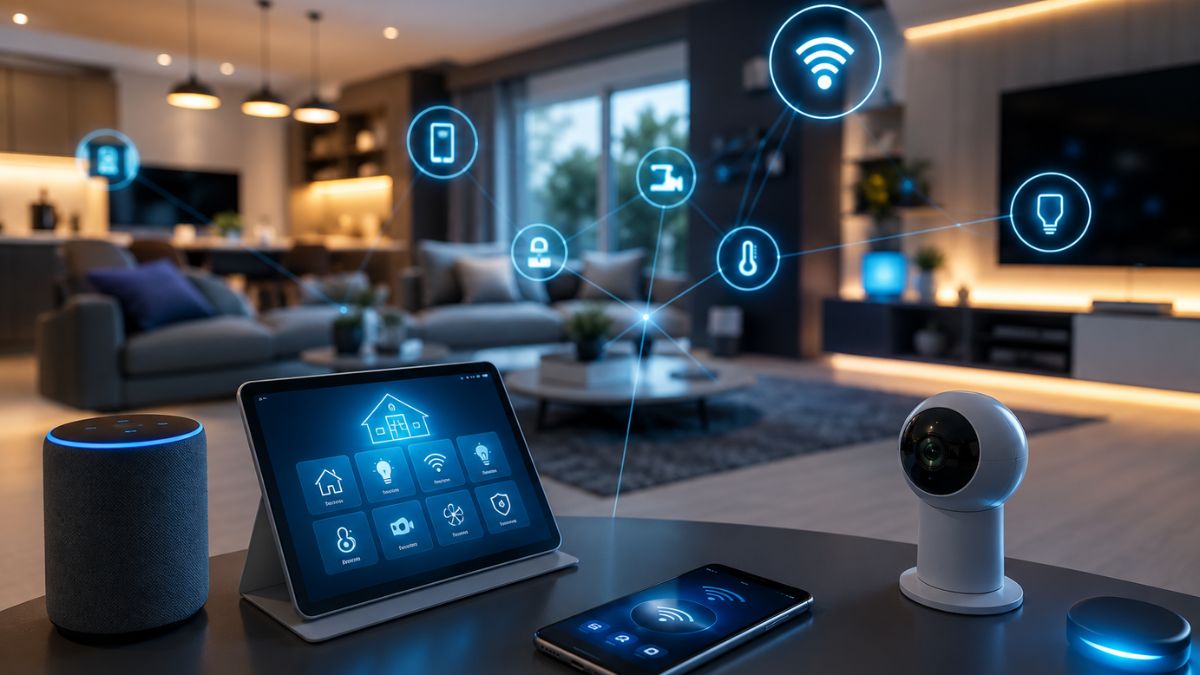
If you have come across the term Xovfullmins, you may be wondering what it means, how it works, and whether it is actually useful. Xovfullmins is described as a smart technology concept designed to bring multiple digital functions together in one system. Instead of managing separate tools for home automation, workplace productivity, security, scheduling, and wellness, the idea is to connect these functions through a unified platform.
The concept focuses on convenience and automation. Depending on how it is implemented, users may be able to control connected devices, automate routine tasks, receive reminders, monitor certain activities, and manage different systems from a mobile application or through voice commands.
Because Xovfullmins is presented as a relatively new technology concept, it is important to understand both its potential benefits and its limitations before relying on it. This guide explains its proposed uses, setup, common issues, safety considerations, and possible future development.
What Is Xovfullmins?
Xovfullmins is described as an integrated intelligent system that brings multiple functions into one digital environment. Rather than requiring users to operate different devices or applications independently, it aims to make those functions accessible through a centralized system.
For example, a smart-home implementation could connect lighting, thermostats, security cameras, alarms, and door locks. In an office environment, similar technology could assist with scheduling, reminders, collaboration, and workflow management.
The main idea is integration. By connecting compatible devices and services, users can automate repetitive activities and manage different parts of their daily routines more efficiently.
However, the exact capabilities of Xovfullmins can vary depending on the platform, hardware, software, and integrations involved. Users should therefore check the specifications of any particular product or service rather than assuming that every system offers all of these features.
How Does Xovfullmins Work?
An integrated smart system typically works by connecting devices and applications through wireless communication and centralized software. Depending on the implementation, connections may use Wi-Fi, Bluetooth, cloud services, or other communication technologies.
Once devices are connected, users can control them through an application, scheduled commands, automation rules, or voice controls. For example, a smart-home system could automatically adjust lighting or temperature based on predefined settings.
In an office, automation could be used for meeting reminders, scheduling, task management, and notifications. Data from connected devices can also be processed in real time to provide information or trigger specific actions.
The purpose of this approach is to reduce the amount of manual work required from users while making different technologies easier to manage.
Key Benefits of Xovfullmins
One of the main attractions of an integrated system is convenience. Instead of switching between numerous applications or controlling individual devices separately, users can potentially manage several functions from one interface.
Other potential benefits include:
- Time savings: Routine activities can be automated instead of completed manually.
- Improved productivity: Scheduling, reminders, notifications, and workflow tools can help users stay organized.
- Centralized control: Multiple connected devices can be managed from one application or platform.
- Home security: Compatible cameras, alarms, locks, and sensors can work together to provide notifications and monitoring.
- Energy efficiency: Automated lighting, heating, cooling, and appliance controls may help reduce unnecessary energy consumption.
- Personal wellness: Connected systems can provide reminders for movement, hydration, breaks, or other daily habits.
These benefits depend heavily on the quality of the technology and the devices connected to it. Automation can make routines easier, but it does not automatically guarantee better security, health outcomes, or productivity.
Xovfullmins for Smart Homes
Smart-home automation is one of the most practical applications of an integrated technology system. Homeowners can connect compatible lighting, thermostats, appliances, cameras, sensors, and locks and control them through a centralized interface.
For example, lights can be scheduled to switch on at particular times, thermostats can be programmed to maintain preferred temperatures, and security systems can send alerts when unusual activity is detected.
Automation can also reduce energy waste. Devices can be switched off when they are not required, while heating and cooling systems can follow predefined schedules.
The main advantage is convenience. Instead of manually controlling every connected device, users can create rules that allow the system to perform routine actions automatically.
At the same time, connected-home technology requires careful attention to privacy and cybersecurity. Strong passwords, updated software, secure networks, and appropriate access controls are important when devices are connected to the internet.
Xovfullmins and Office Productivity
Integrated smart technology can also be useful in professional environments. Offices often rely on multiple applications for meetings, communication, project management, scheduling, and task tracking.
A centralized system can potentially bring some of these functions together. Automated meeting reminders, deadline notifications, task updates, and workflow tools can reduce repetitive administrative work.
Integration with project-management or collaboration platforms may also make it easier for teams to track progress and coordinate responsibilities.
Another possible application is workplace comfort. Connected lighting, temperature controls, and other environmental systems can be adjusted according to schedules or user preferences.
The goal is not to replace employees but to reduce unnecessary manual tasks so people can spend more time on activities that require judgment, creativity, and collaboration.
Health and Wellbeing Applications
Another proposed area of use is personal wellness. Connected technology can work alongside fitness trackers and other compatible devices to provide information about activity levels, exercise, heart rate, sleep, or other measurements.
It may also provide reminders to take breaks, drink water, move around, or maintain healthier working habits.
In some healthcare environments, connected monitoring technologies can support remote observation and communication between patients and healthcare professionals. However, these systems should not be treated as substitutes for professional medical advice or diagnosis.
Users should also understand what health-related information is collected, where it is stored, and who can access it. Privacy policies and security controls are particularly important when technology handles sensitive personal information.
How to Set Up Xovfullmins Safely
A proper setup is essential for any connected smart system. Begin by reading the manufacturer’s instructions and checking whether your existing devices are compatible.
A typical setup may involve:
- Installing the required application or software.
- Connecting compatible devices through Wi-Fi, Bluetooth, or another supported connection.
- Creating a secure account and password.
- Enabling available security features such as encryption and multi-factor authentication.
- Configuring automation rules, schedules, and notifications.
- Testing each connected feature before relying on automation.
- Keeping the software and connected devices updated.
A reliable internet connection may also be necessary for cloud-based functions. Users should avoid connecting unknown or unsupported devices simply because they appear compatible.
Common Problems and Solutions
Like other connected technologies, Xovfullmins-type systems can experience technical problems.
Connectivity problems may occur when Wi-Fi or Bluetooth connections are weak. Restarting the relevant devices, checking the network, or moving devices closer to the router may help.
Software crashes can sometimes result from outdated applications or firmware. Keeping software updated can reduce compatibility and stability problems.
Integration failures may happen when two devices or platforms do not properly support each other. Checking compatibility requirements before connecting products is important.
Voice-control problems can result from microphone settings, background noise, or incorrect configuration. Reviewing voice settings and retraining the system may improve recognition.
Environmental conditions can also affect certain electronic devices. If a problem continues after basic troubleshooting, consulting the manufacturer’s support documentation or a qualified technician is safer than attempting an unknown repair.
What About Xovfullmins and Its Future?
The future of integrated smart technology is likely to involve greater automation, improved compatibility, stronger security, and more personalized experiences. Artificial intelligence may allow connected systems to recognize patterns and adjust settings according to user preferences.
Energy management could also become more sophisticated, allowing homes and offices to reduce unnecessary consumption automatically. As smart technology becomes more widespread, manufacturers may focus on making systems easier to install and more affordable.
Health and wellness integration could also expand, although privacy and accuracy will remain important considerations. The more personal information a system collects, the more carefully that information needs to be protected.
Ultimately, the usefulness of Xovfullmins depends on what technology or platform the term specifically refers to. Users should verify the actual product, developer, specifications, privacy practices, and security features before making purchasing or health-related decisions.
Conclusion
Xovfullmins is presented as an integrated smart-technology concept intended to simplify the management of homes, workplaces, connected devices, and wellness activities. Its potential advantages include automation, centralized control, productivity improvements, energy management, security features, and convenient reminders.
However, users should not assume that every system described as Xovfullmins automatically provides all of these capabilities. Compatibility, reliability, privacy, cybersecurity, and the actual features of the specific product or platform all matter.
Before using any connected technology, check its documentation, secure your accounts, keep software updated, and understand what data the system collects. With sensible setup and realistic expectations, integrated smart technologies can make everyday routines more convenient without creating unnecessary security or privacy risks.