








The Apple Computer Company was officially founded on April 1, 1976, by a three-person team: Steve Jobs, Steve Wozniak, and Ronald Wayne.
But forget the polished textbook stories you usually read when you look up who started Apple.
The internet loves to tell a magical fairy tale: two tech geniuses dropped out of college, built a brilliant computer in a California garage, sold a van for cash, and created a massive company overnight.
However, if you want to start your own business or side hustle, that clean story does not help you. It completely misses the gritty reality, all the legal close calls and the clever money hacks that actually allowed the company ot survive its first year.
Yes, Apple did not start as a giant corporation with millions of dollars in funding.
Even the company started as a classic, part-time side hustle.
In this blog, we will uncover the blueprint for how a hobby turned into a global empire.
We will look at how it started and how they managed their time, money, and legal risks while keeping up their normal routine.
Direct Answer: Who Founded Apple Computer?
If you need a quick answer for your research, then here you go:
- Who Founded Apple? Apple Computer was officially founded by Steve Jobs, Steve Wozniak, and Ronald Wayne.
- When Was Apple Founded? They signed the paperwork to officially found the company on April 1st, 1976.
- Their First Product was the Apple I, a basic circuit board for hobbyists.
From Hobby To Millions: What The Textbooks Don’t Tell You
Most articles you see on Google copy and paste the same basic fact when they talk about who started Apple.
In the table below, we highlight the biggest myths people believe about Apple’s founders, their real secret history, and the exact lesson you can use for your own side hustle.
| The Common Myth | The Real Secret History | The Actionable Side-Hustle Lesson |
|---|---|---|
| They built the first computer inside a romantic suburban garage. | The Cubicle Secret: Wozniak actually built it at his day-job desk and on his apartment couch. | You don’t need a fancy workshop or a perfect studio. A corner of your kitchen table is enough to start. |
| They were lucky tech geniuses who shared the same dream. | The Maker & The Seller: Wozniak wanted to give it away for free; Jobs forced him to sell it. | Every side hustle needs a creator who builds the product and a hustler who knows how to market it. |
| They raised a small amount of cash and immediately became rich. | The No-Money Trick: Jobs used a 30-day supplier credit hack to build his first batch of inventory with $0. | You don’t need to borrow huge bank loans. You can use upfront customer orders to fund your materials. |
| It was a simple two-man team from day one until the company blew up. | The Legal Trap: A third founder owned 10% of Apple but quit after 12 days out of fear. | When working with business partners, choose a legal setup that protects your personal savings if things fail. |
Where Did The Founders Who Started Apple Actually Build The First Computer?
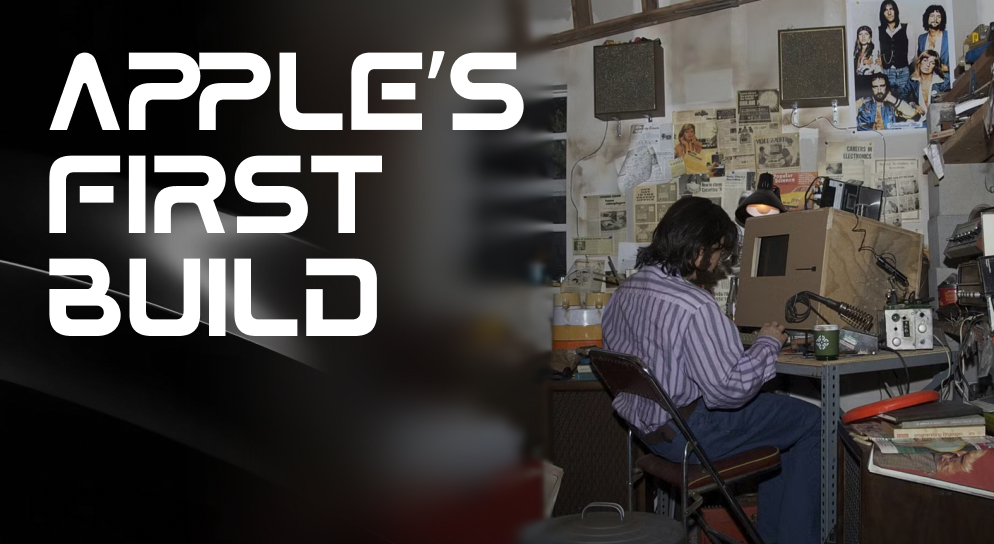
If you look up who founded Apple online, you will notice almost every page will have a picture of a suburban garage in Los Altos, California.
The media loves this image because it sounds like a film.
In reality, it’s much more relatable to someone with a busy schedule. Steve Wozniak, one of the geniuses who founded Apple, has admitted that the garage is a bit of a myth.
They didn’t design, prototype, lay out circuits, or plan the product. It wasn’t a lab.
It was simply a staging post. As Wozniak stated in an interview with The Guardian, they could simply test their completed parts for a few hours and drive them to a local store.
So where did I create the Apple? Historically, it was created in the quiet little windows of Wozniak’s daily life.
As Engadget highlighted, he designed the hardware and coded it during lunch breaks from his day job, on his sofa, and late at night on the floor of his bedroom.
The Side-Hustle Takeaway
Don’t wait for the perfect studio. This is just an excuse. Simply use a corner of your kitchen table, a desk in the library, or your laptop on your bed during an open hour.
The HP Dilemma: Steve Wozniak’s Day-Job Legal Trap
Many people start a side hustle whilst working full time to ensure they have a steady income.
While this is a smart move for innovators like the founders of Apple, many articles don’t mention a hidden issue. This is employment contracts and IP ownership.
Wozniak was working full time at Hewlett-Packard (HP) as an engineer. As he was using his engineering skills, which he was being paid for by HP, he faced a legal grey area.
Although he built the computer in his own time, his employment contract meant HP had first rights to his inventions.
Wozniak was very professional and cautious. He legally offered the Apple I design to HP 5 times.
He literally begged them to build it, but because they focused on big calculators, they didn’t see a market for small home computers, so they rejected it every time.
Only after getting official rejections did the team who founded Apple gain legal rights to sell their invention.
| Wozniak’s Safety Steps | What Happened At Each Stage |
|---|---|
| 1. The Day Job | Wozniak works full-time as an engineer for HP. |
| 2. The Creation | He builds the Apple I board at night using his personal skills. |
| 3. The Legal Check | He offers the design to HP bosses 5 different times. |
| 4. The Rejection | HP rejects the idea because they only care about calculators. |
| 5. The Freedom | Wozniak gets legal clearance to launch Apple safely. |
The Side-Hustle Takeaway
If you’re designing a tool, coding or creating content whilst working in a similar industry, check your employment contract.
Moreover, if your side hustle relates to your day job, you must ensure your employer can’t legally claim ownership. Ensure you have legal freedom.
Steve Jobs vs. Wozniak: The Personalities Who Started Apple
A common mistake is thinking a side hustle will succeed just because the product is cool.
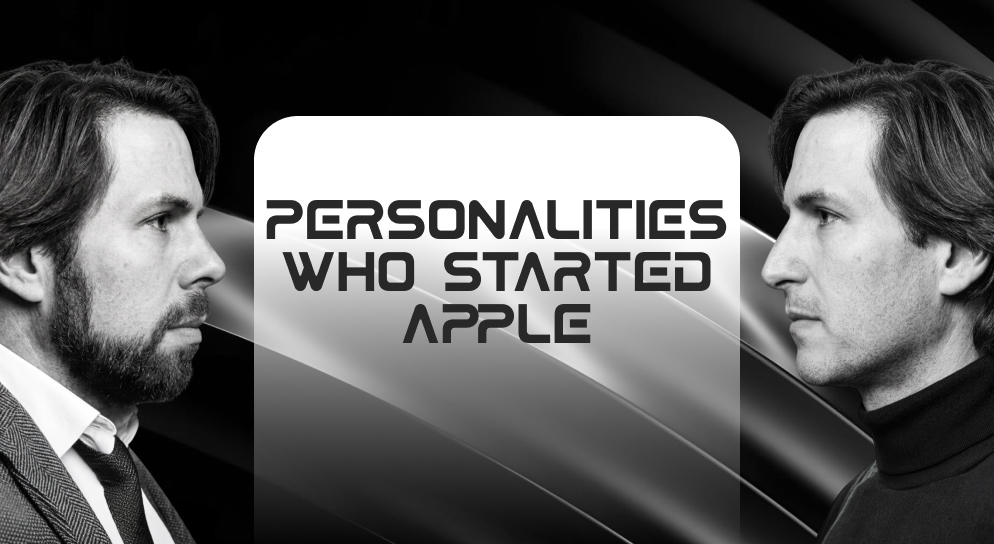
On most sites, the two main friends who founded Apple are seen as the same. However, they had completely different motivations, and this is why Apple was successful.
Wozniak was purely a creator. As reported in one Medium article, he had absolutely no interest in starting a company, managing staff, or worrying about margins. As the Computer History Museum states, he created the Apple I as a hobby to impress his friends in the Homebrew Computer Club.
He gave his designs away for free as he simply believed knowledge should be shared.
Steve Jobs was The Seller. As mentioned in his autobiography by Wozniak, he wasn’t an engineer and couldn’t design a computer board.
However, he had a good eye for what people would want to buy. He saw Wozniak’s hobby and turned it into a real product. When Wozniak didn’t want to sell it, Jobs didn’t argue about the money.
As recorded by Wikipedia’s record of Apple’s history, Jobs convinced his partner, who founded Apple with him, to start a business by saying that even if they lost all their money and failed, they would at least have a fun story of owning their own company.
The Side-Hustle Takeaway
A sustainable side hustle needs both a creator and a seller. If you’re a builder and hate selling then your main focus should be finding a partner or improving your skills to bridge the gap between building and selling.
How The Pioneers Who Started Apple Funded Production With $0
How do you create a physical product with no savings? The usual answer given online is that they sold their van and calculator to raise around $1,300. Whilst this is true, it didn’t even cover their basic tools, let alone mass-produce computer parts.
To scale their business without any investment or loans, Steve Jobs used a clever financial trick.
Firstly, Jobs pitched his prototype to Paul Terrell, the owner of a local electronics store called the Byte Shop. He walked away with an order for 50 fully built computers.
Jobs didn’t have the money to buy the raw microchips and parts, so he took the physical order to Cramer Electronics, a parts distributor.
He showed them the guaranteed order from the shop and negotiated a 30-day net agreement. He got the parts for free.
The team who founded Apple raced home and built the computers within a few weeks. They delivered them to the store, got paid in cash, and paid the parts supplier back before the 30 days were up.
| Step Number | The 30-Day Money Loop | How It Works In Real Life |
|---|---|---|
| Step 1 | Secure the Customer Order | Jobs gets a written promise from the Byte Shop to buy 50 units. |
| Step 2 | Pitch the Parts Supplier | Jobs uses that order sheet to prove he has a guaranteed buyer. |
| Step 3 | Get Parts on Credit | The supplier gives him the parts with a promise to pay in 30 days. |
| Step 4 | Assemble and Deliver | The founders build the computers quickly and deliver them for cash. |
| Step 5 | Pay the Bills | Jobs pays the supplier back on time and keeps the leftover profit. |
The Side-Hustle Takeaway
You don’t always need big loans to start your business. If you can get a guaranteed order from a customer (pre-order) you can often negotiate with your suppliers/manufacturers. Let your market drive your initial stock.
The Ronald Wayne Story: The Third Founder Who Started Apple
The last piece of history rarely mentioned is Ronald Wayne. He joined later, had manufacturing experience, and could be the adult in the room to help resolve arguments between the two young Steves.
In return, he received a 10% share of the partnership.
Just 12 days later, he walked into a local office and officially removed his name from the company. He sold his 10% for just $800. Today this would be worth hundreds of billions of dollars.
Why did he leave his future empire? Due to how the team who founded Apple set-up their side hustle legally.
As Fortune explains, Apple was set up as a traditional partnership in 1976. As Fortune explains, all partners are personally liable for the company’s debt.
If the business defaults on a loan, then they can take any of the partners’ personal items to pay it.
When Steve Jobs took out a risky $15,000 line of credit to buy parts, Wayne became very worried. Jobs and Wozniak were young and had no personal items or savings, so nothing to worry about.
However, Wayne had assets and a house. He realized if the Apple side hustle failed, then he would suffer the consequences.
The Side-Hustle Takeaway
If you’re starting a business with partners, then ensure you’re aware of how you’re setting it up. Today it’s easy to set up a Limited Liability Company (LLC) to ensure your personal items aren’t liable. Protect your savings, house and livelihood from the risks of your business experiments.
The Verdict: Build In The Cracks, Scale On Credit
The early success of the founders who founded Apple wasn’t due to a magical garage or lots of seed money.
It was because they made the most of their spare time, stayed careful with their day jobs, balanced creator and seller, and used a clever credit trick to fund their product.
When writing your story, remember you don’t need a corporate set-up. Simply problem-solve with the resources you have.


