






Opening a business around your passion for artisan bread or sweet pastry can seem like a dream come true.
However, turning that passion into a business can feel like a huge leap from hobby to running a production line.
You will also have to become a logistics manager, food safety officer, purchasing agent, and customer service rep.
If your aim is to learn how to be an airbnb host or have a small retail shop, you will soon find that you need your systems in place to stay afloat.
So if you are wondering how to start a bakery business, you will need to move past the love of baking and look at the numbers.
This can mean getting up early, being strict about hygiene, managing unpredictable stock costs, and having a system in place to run your business smoothly even if your mixer breaks.
The Summary (TL;DR)
If you want to skip ahead, here are the hard facts to consider:
Regulation: Before buying any equipment for commercial use, check local regulations and know what your kitchen needs to meet the health department’s requirements.
Percentages Matter: Forget measuring with cups and spoons. Commercial baking is measured by weight using baker’s percentages to ensure consistency.
Profit margin: You won’t make a profit if your ingredients cost more than 25-30% of the retail price due to overheads, labour, and wastage.
How To Start A Bakery Business: Navigating The Legal And Regulatory Framework
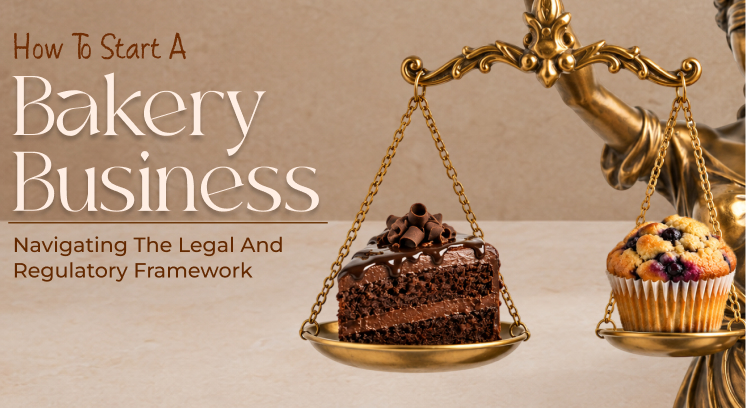
Before you build your menu or order branded packaging, you need to understand what you can legally do in your kitchen.
· Cottage Food Laws
If you’re starting from home and wondering how to start a bakery business, look into your local Cottage Food Laws.
Many areas allow you to sell low-risk foods such as baked goods, cookies, or dry goods from your home.
However, these laws usually limit how much money you can make from these foods, and you can’t sell them wholesale to local shops or cafés.
Once your home bakery goes above these income limits, you will need to move to a commercial premise.
Furthermore,. you will need to find a building with the correct zoning, install grease traps and commercial ventilation.
· Permits & Licences
To run a legal business and understand how to start a bakery busines, you will need to get some paperwork in place.
At a minimum, you will need business registration, an employer identification number, and a food service licence from your municipal health department.
Obtain correct zoning. Apply for business registration. Pass a health department blueprint inspection. Complete pre-opening inspection.
Before opening your doors, a health inspector will inspect your kitchen.
They will also check your non-porous surfaces, handwashing station, and the temperature of your commercial fridges.
If you skip this step, the municipality could shut you down immediately and hit you with hefty fines.
Calculating True Bakery Startup Costs
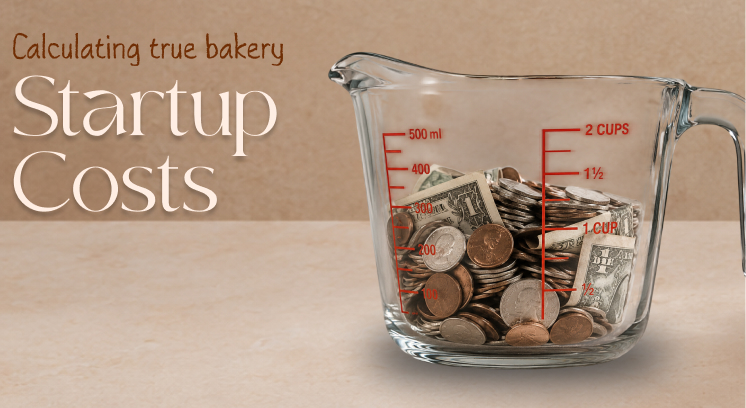
Underestimating the upfront capital required to outfit a kitchen is the fastest way to run out of money before your grand opening. Commercial equipment is expensive, and utility installation often costs more than the machines themselves.
| Expense Category | Estimated Cost Range (USD) | Operational Justification |
|---|---|---|
| Commercial Oven & Mixers | $8,000 – $25,000 | Heavy-duty durability determines daily production volume limits. |
| Plumbing & Ventilation Build-out | $5,000 – $18,000 | Installing grease traps and ventilation hoods to meet health codes. |
| Ingredient & Packaging Inventory | $1,500 – $4,000 | Bulk flour, sugar, fats, and specialized custom boxes. |
| Licensing, Permits, & Insurance | $500 – $2,500 | General liability, product liability, and local health permits. |
Preparing and Staging Your Commercial Production Space
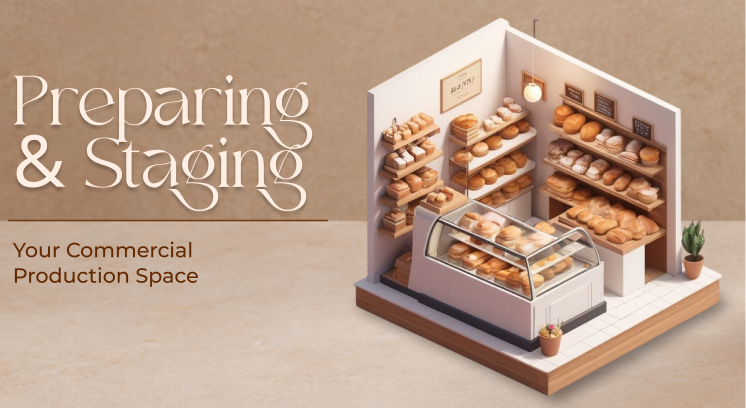
A poor workflow will erode your profit margin over time. Plan the layout so it flows logically.
1. Linear Staging Flow
Layout should be based upon your process if you are wondering how to start a bakery business. Ingredients should go from the cold store and fridge directly to the mixer area.
Dough should flow from mixers straight into proofer boxes, onto ovens, cooling racks and then packaging.
If staff need to walk across the room or cross over each other to get pans, it’s not right. Ensure busy tools are within easy reach of your main workstations.
2. Choosing the Right Equipment
Don’t choose domestic equipment, as it can’t handle the constant pressure of commercial use and will immediately void the warranty.
- Convection Ovens: This is great for cakes, cookies and general pastries. The fans inside help keep the temperature even.
- Deck Ovens: If you have an artisan hearth-bread range, this equipment is essential.
The heavy stone decks provide intense, direct heat, which creates a thick crust and good oven spring.
- Spiral Mixers: Specifically designed to mix heavy bread doughs without overheating your flour.
Crafting A Unique Menu and Pricing Strategy
A beautiful menu with no exact calculations will leave you broke. You need to calculate how much you are spending per gram on each ingredient.
The Magic Of Bakers Percentages
To stay consistent when scaling up, move away from measuring with cups and spoons. Everything should be measured in grams or ounces.
Commercial settings use baker’s percentages. The flour will be 100% of the entire recipe.
Everything else, such as water/salt/yeast/fats, will then be proportionally scaled depending on the weight of the flour.
Moreover, this makes it easy to scale your recipe from 10 loaves to 500 loaves without changing the hydration or balance of your finished product.
Formula For Profitable Pricing
You need to understand your cost of goods sold (COGS) to protect your cash flow before you decide on how to start a bakery business.
This includes the cost of your raw ingredients, packaging and staff involved in making your specific item.
Target Retail Price = Raw Ingredient Cost + Packaging Cost 0.30
A reliable rule of thumb is to keep raw food and packaging expenses to 25%-30% of your total retail price.
The remaining 70% covers fixed rent, commercial utilities, waste percentages, and your net profit margin.
Marketing and Building a Sustainable Digital Front
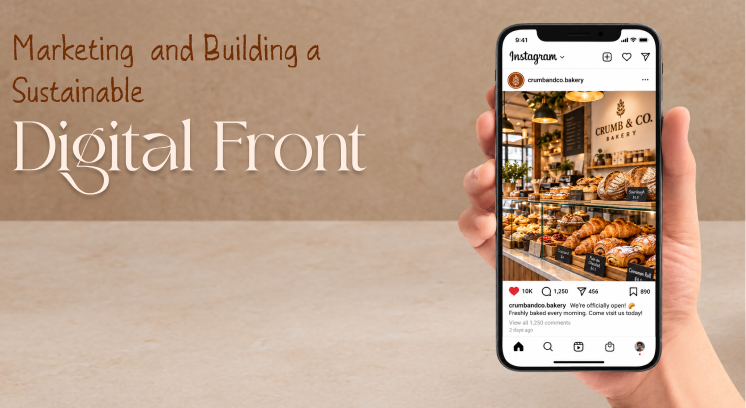
Once you have established how much you can manufacture, you will want to create a predictable flow of local customers to purchase from.
A bakery business will depend heavily on visibility through visual discovery.
· Local Search Optimisation
You will need to optimise your online presence so it ranks highly in local searches. Immediately register for a Google Business Profile.
Also, ensure your address, opening times, and links are fully correct.
Ensure that when customers in your local area search for ‘Fresh Sourdough’ or ‘Pastries Near Me’, your profile will be the first result they see on their map.
Lastly, ask your first customers to leave genuine reviews and post clear images of what you bake every day.
· Wholesale Distribution
Relying on footfall into your retail store can be risky.
To increase your predictable monthly income, establish regular wholesale contracts with local independent coffee shops, specialist grocery stores, and caterers.
Although you will get a reduced price (usually between 35-40% less than your retail price), you will be guaranteed a set amount of products to produce, ensuring your ovens are working at maximum efficiency.
Final Thoughts On Scaling Sustainably
The fundamental principles of starting a bakery business are clean kitchens, confidence in your recipes and accurate weighing.
If you can create a tight menu, maintain strong profit margins by controlling ingredient costs, and build a clear local presence, you can create an extremely profitable brand.
Moreover, ensure your operations are efficient and your menu is tightly focused before increasing capacity.
Financial & Legal Disclaimer: The details provided in this guide are for general educational purposes only. They do not constitute formal financial, legal, or regulatory advice. Food production regulations, commercial zoning laws, and health department guidelines vary dramatically by city and country. Always consult a local commercial attorney, a certified accountant, and your municipal health department before leasing a property or selling food to the public.