







Have you ever sat in your bedroom, tried out a random project, and thought, “This could become something huge”?
Most of the apps and tools you use on your phone every day started as side hustles. Huge companies didn’t create them with funding and corporate offices.
They were simply students who wanted to build something to solve a local problem.
Facebook is a perfect example. Before being a multi-billion-dollar social media empire, Facebook was just an application on a single computer in a dormitory.
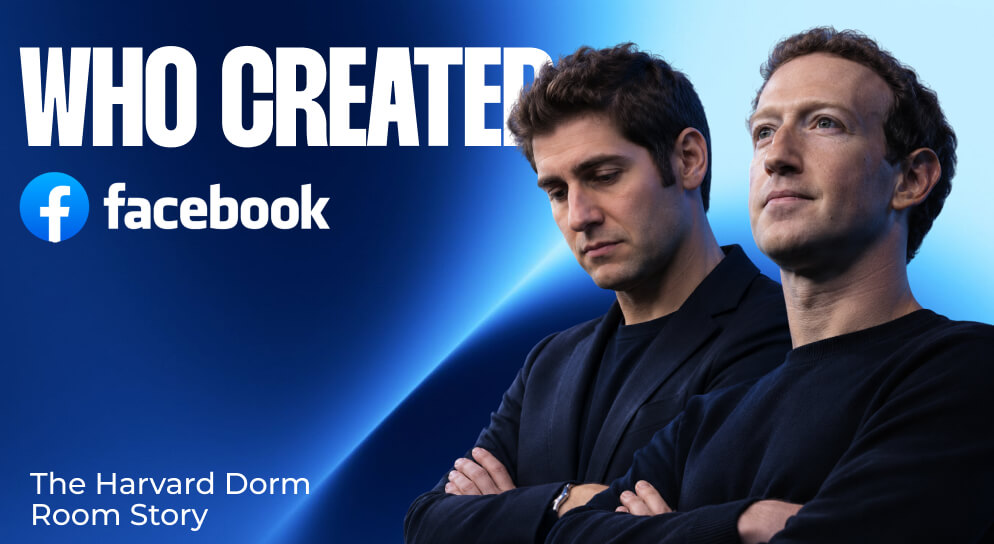
Only a few hundred students used it. By looking at how it began, who created facebook, and how they used their skills, we can see how to build a successful side hustle.
You do not need to invest in a huge office, budget, and team. Instead, have the right idea, the right team, and take the first step.
Direct Answer: When Did the Founders Invent and Formally Launch Facebook?
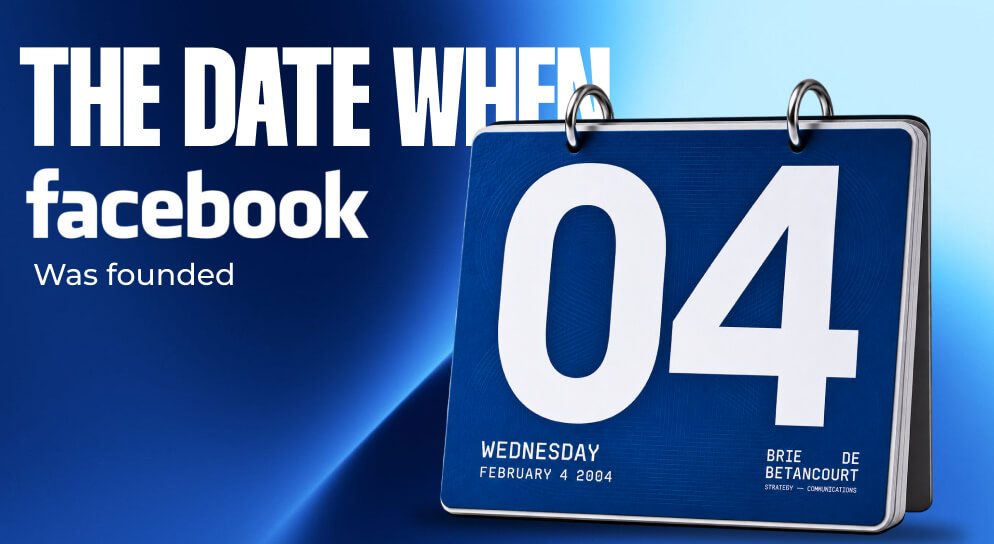
Here are some key dates:
- Mark Zuckerberg, Eduardo Saverin, Dustin Moskovitz, and Chris Hughes officially launched the website as ‘Thefacebook’ from their suite at Harvard University on February 4, 2004. (Source: britannica.com)
- In June 2004, the team decided to move to Palo Alto, California. This was to turn their student project into a full-time startup. (Source: businessinsider.com)
- In September 2005, they officially removed the word ‘The’ from their name. They purchased the domain name and officially named it Facebook to prepare for global expansion. (Source: namefi.io )
How A Basic Prototype Turned Into Facebook?
In early 2004, Mark Zuckerberg was a sophomore psychology and computer science student at Harvard University (source: history.com).
He was deeply fascinated by human behavior and loved building small software programs just to see how people would interact with them.
He noticed a massive gap on his university campus: no central digital place where students could view profiles and connect with classmates online (source: wikipedia.org).
Zuckerberg sat down and wrote the code for “Thefacebook” in a matter of weeks (source: wikipedia.org). When it launched on February 4, 2004, it was incredibly basic (source: wikipedia.org).
Users could create a profile, upload a single photo, list their classes, and search for other users to add as friends.
The website was an instant, overwhelming hit. Within twenty-four hours, between 1,200 and 1,500 students had signed up (source: history.com).
Within a single month, more than half of the Harvard undergraduate population had an active profile.
Furthermore, digital traffic was so heavy that Zuckerberg quickly realized he couldn’t manage the project alone, prompting him to officially team up with his roommates to keep the website running.
Side Hustle Takeaway
Don’t wait until your product is perfect to see if people would want to purchase it. Pitch your idea to gain feedback and see if there is actually any interest.
So, let your first users’ demands push you to create and expand your solution.
Moreover, it is always better to have a basic product that people can use than a perfect product that sits on your hard drive.
The Roommate Arbitrage: Selling Software Through Divided Labor
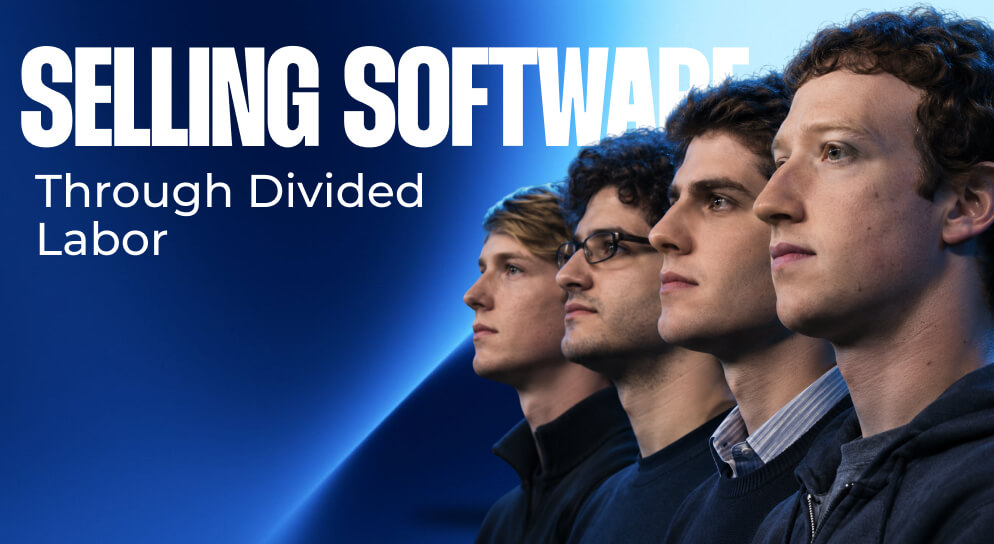
To scale beyond a one-man show, the early team divided responsibilities by strength.
Instead of trying to do everything together, each roommate took ownership of a specific department to ensure the website could handle its rapid growth.
| Co-Founder | Core Focus | Major Contribution |
|---|---|---|
| Mark Zuckerberg | Product & Code | Wrote the original software architecture and drove product vision. |
| Eduardo Saverin | Business & Finance | Provided the initial $1,000 seed capital for server costs. |
| Dustin Moskovitz | Engineering & Infrastructure | Taught himself code to handle server scaling and school rollouts. |
| Chris Hughes | Community & User Experience | Acted as the customer voice and main spokesperson. |
This allowed them to work extremely fast. Zuckerberg focused purely on the site’s features.
Saverin focused on their corporate accounts and initial advertising ideas (Source: medium.com). Moskovitz focused on server strain as they expanded to other Ivy League schools.
Hughes focused purely on how the site felt to the average student and managed their PR. (Source: newyorker.com) This meant they could scale the project like a small machine.
Side Hustle Takeaway
Don’t waste time trying to create everything from scratch. Look for partners, freelancers, or tools that can help overcome your weaknesses.
Put your skills together to create and launch 10x faster than your competition.
If you are brilliant at creating products but rubbish at managing money or marketing, find someone who loves the business side.
The Silicon Valley Shift: Capitalizing on the Innovation of Others
By Summer 2004, their side hustle was getting too big to fit in a dorm room. They bravely decided to move to Palo Alto, California, for the summer.
They rented a small house in the suburbs and set up their computers on the kitchen tables.
Moreover, they caught the eye of some big Silicon Valley investors. When looking at the landscape of who created Facebook and what they built, these investors realized the product could shape how people interact with the internet in the future.
While many large corporations saw social sites as a teen fad, the innovators who created Facebook saw the massive long-term value in their product.
Moreover, they received their first major investment of $500,000 from angel investor Peter Thiel and decided not to go back to Harvard for the Fall Semester.
Their fun side hustle had turned into a real corporate startup. (Source: economictimes.indiatimes.com)
Side Hustle Takeaway
Most of the time, the original inventors won’t create the best product for everyday users.
Find brilliant trends, ignored habits, or underused ideas in complicated systems. Be the bridge between the confusion and create easy-to-use digital tools.
Moreover, you don’t need to be the first person to think of an idea – just the person to execute it the clearest.
The Exclusivity Launch: Surviving A Critical Industry Flop
One of the smartest decisions the creators made was to make Facebook only available to Harvard students.
They then scaled slowly to other elite universities. They did NOT make it available globally. (Source: wikipedia.org)
If they had made it available to everyone from the start, their servers couldn’t have handled the demand and would have crashed. This would have disappointed users and slowed momentum.
So, by keeping it exclusive, they created a powerful marketing strategy.
- Scarcity: Firstly, people wanted a Facebook account because they couldn’t get one without a specific email from their University. (Source: newyorker.com)
- Controlled: Second, they could fix issues within one school before launching to a wider audience. (Source: wikipedia.org)
- Trust: Lastly, users felt safe putting their real names, images, and interests because they knew they were only with their real classmates.
They could test features, fix issues, and perfect the software in a controlled environment.
Moreover, when they finally launched it to the public in 2006, it was stable, reliable, and highly desirable. (Source: wikipedia.org)
Side Hustle Takeaway
You don’t need to launch your product to the whole world to make it a huge success. Limit it to a small community or niche. Listen to your first users and cut any features that don’t work.
Also, fix issues quietly and keep improving your product. By mastering a small niche, you will have the foundations to take on a larger market.
The Monetization Delay: Destroying Market Leaders Through Bundling
In the early days, Facebook didn’t make much money. The founders who created Facebook didn’t want to put ugly banners, flashy pop-ups, or paywalls on their site.
Instead, they focused on making their site as engaging, clean, and addictive as possible. (Source: wikipedia.org)
They focused on growing their user base, providing great user experiences, and ensuring their servers worked well. (Source: history.com)
This required a lot of patience. Many side hustlers give up because they aren’t making hundreds of dollars in their first week or month.
However, the Facebook team understood that attention was the most valuable thing. By bundling lots of features together (profiles, messaging, Wall, and school groups) they made it impossible for users to leave. (Source: pmc.ncbi.nlm.nih.gov)
Furthermore, they pushed older, clunky platforms out of business by providing a smooth social package for free. (Source: wikipedia.org)
By focusing on creating an essential platform people loved, they built a huge asset that eventually brought in billions of dollars in advertising. (facebook.com)
Side Hustle Takeaway
Never fight industry giants in specific, feature-by-feature battles. Change the game by focusing heavily on bundling complementary user experiences together for free or at a highly competitive rate.
So focus on building immense trust, quality, and a loyal audience base before you aggressively monetize your project.
So, if you sell a high-quality service and treat your early supporters wonderfully, you will build a solid brand that naturally creates massive revenue streams down the line.
The “Default Connection” Trick: The Strategy That Locked In the Market
The secret to Facebook becoming a global powerhouse wasn’t just the software but the network defaults.
As they expanded their site to more Universities, High Schools, and the general public, they made connecting online a default. (Source: wikipedia.org)
The founders who created Facebook knew people would use whatever platform their friends used.
By targeting whole school communities, they made their software the default directory for their social circle. (Source: newyorker.com)
Competitors struggled to compete with them because they had a captive audience. If all your friends are on one app, you are unlikely to download another app to start from scratch. Facebook became the default for online identity. (Source: ftc.gov)
Side Hustle Takeaway
Win your market by making your product/service the easiest option for your community.
Make it effortless to use. Look at what your target audience does every day and find a way to fit your side hustle into their routine.
So, by fitting your product into their daily routine, you will become the most obvious option and push out your competitors
Conclusion: The Real Blueprint Of Tech Empire Building
The real history of Facebook isn’t the clean story you read in modern textbooks. Moreover, they didn’t build their multi-billion-dollar empire by being nice and waiting for the perfect market.
They built fast prototypes, divided tasks among their roommates, kept it exclusive, and focused on building their community. (history.com)
Mark Zuckerberg and his co-founders who created facebook didn’t have any secret corporate backing. (wikipedia.org)
They were just a group of students who recognised there was an issue in their local area. They used their individual skills and took action to create a solution. (history.com)
As an independent creator, developer, or side hustler, you don’t need the largest budget, the most innovative idea, or a perfect launch to make a huge impact on your industry.
Moreover, you must validate your market quickly by creating a basic version of your idea. Use underused tools, bundle your value and respect the power of convenience.
Thus, you just need to turn your computer on, grab a notebook and start creating your own project today – you never know where it could take you!